
If you're a teacher, nurse, firefighter, or any other essential worker in the Dallas area, chances are you're feeling the squeeze of skyrocketing housing costs. With rental prices consuming nearly half of many workers' paychecks, the dream of homeownership might feel impossibly out of reach. But what if we told you there's a path to owning your own home for around $121,000 – and it comes with all the perks of community living?
The Housing Crisis Hitting Essential Workers Hard
Let's face the numbers head-on. According to housing experts, spending more than 30% of your income on housing puts you in the "cost-burdened" category. When that number climbs to 43% or higher, you're officially in financial stress territory. For essential workers in Dallas, this isn't just a statistic – it's daily reality.
Teachers earning $45,000-$55,000 annually, paramedics making $40,000-$50,000, and retail managers bringing home $35,000-$45,000 are all finding themselves priced out of traditional homeownership. With the average site-built home in Dallas now costing $163,000, plus closing costs and down payments, the math simply doesn't work for most essential worker budgets.

The Manufactured Home Game-Changer
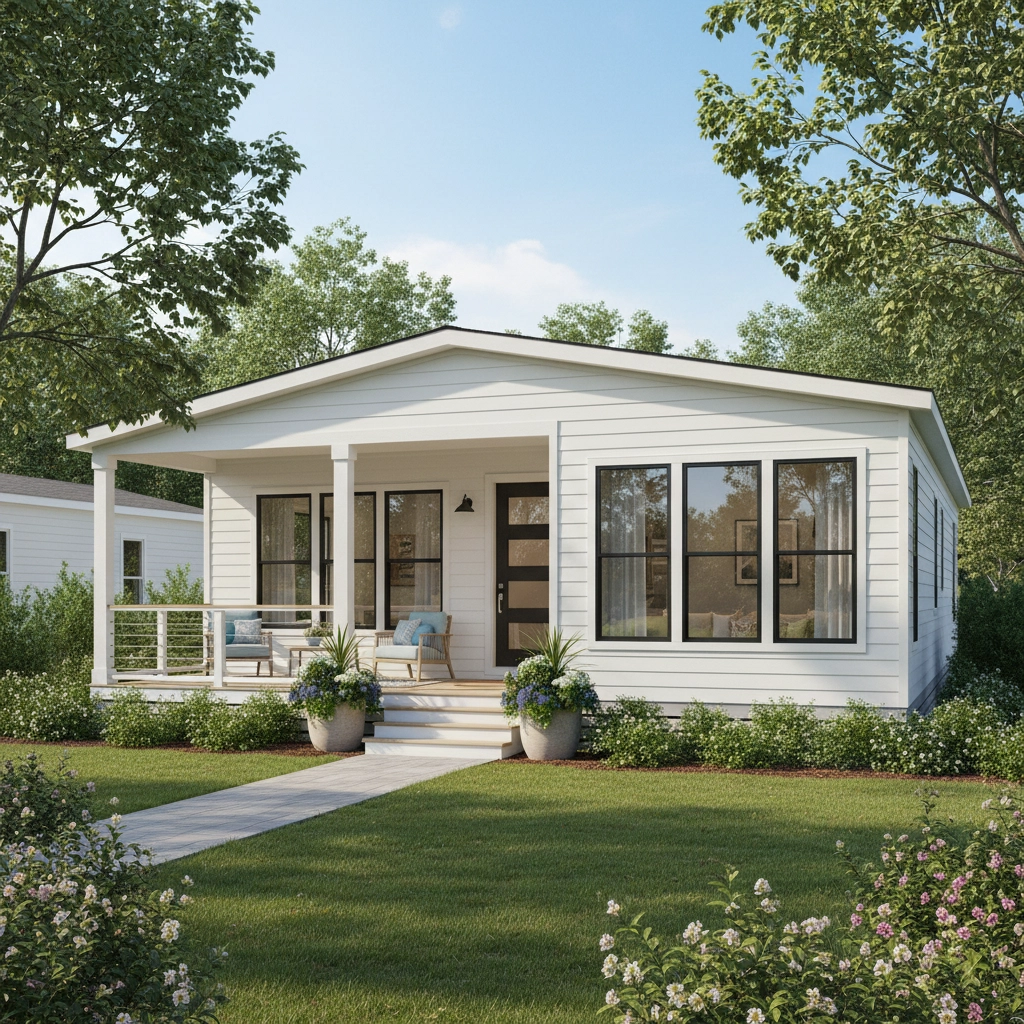
Here's where manufactured homes are completely transforming the equation. In the Dallas-Fort Worth area, the average new double-wide manufactured home sells for approximately $121,900 – a full $40,000+ less than traditional site-built homes. Even better, recent market conditions have driven prices down by 5.9%, creating an even more affordable entry point for first-time buyers.
But let's break this down further. For essential workers looking at smaller footprints, single-section manufactured homes in Texas average around $92,000. That's nearly $70,000 in savings compared to site-built alternatives, money that can stay in your pocket or go toward building your emergency fund.
Real Costs: What You're Actually Looking At
When considering manufactured home ownership, it's important to understand the complete picture. While the base home price might be $121,900, you'll need to factor in additional costs for delivery, setup, and site preparation, which typically range from $30,000 to $80,000 depending on your specific situation and location.
However, even with these additional expenses, your total investment often lands between $150,000-$200,000 – still significantly below traditional housing costs. Plus, current market conditions are working in buyers' favor. Dealers are offering substantial incentives including:
- Factory incentives of $10,000 to $20,000
- Free skirting packages worth thousands
- Six months of prepaid lot rent on move-in ready homes
- Cash discounts exceeding $10,000
- Free delivery within 250 miles
- Interest rate buy-downs funded by factory marketing budgets
Why Essential Workers Are Making the Switch
Essential workers choosing manufactured home communities aren't just saving money – they're gaining lifestyle benefits that traditional homeownership often can't match. Here's what's driving the trend:
Immediate Equity Building: Instead of throwing away 43% of your income on rent with nothing to show for it, your monthly payments build actual equity in property you own.
Predictable Housing Costs: Unlike rental situations where landlords can raise rent annually, manufactured home ownership provides stable, predictable housing expenses that help with long-term financial planning.
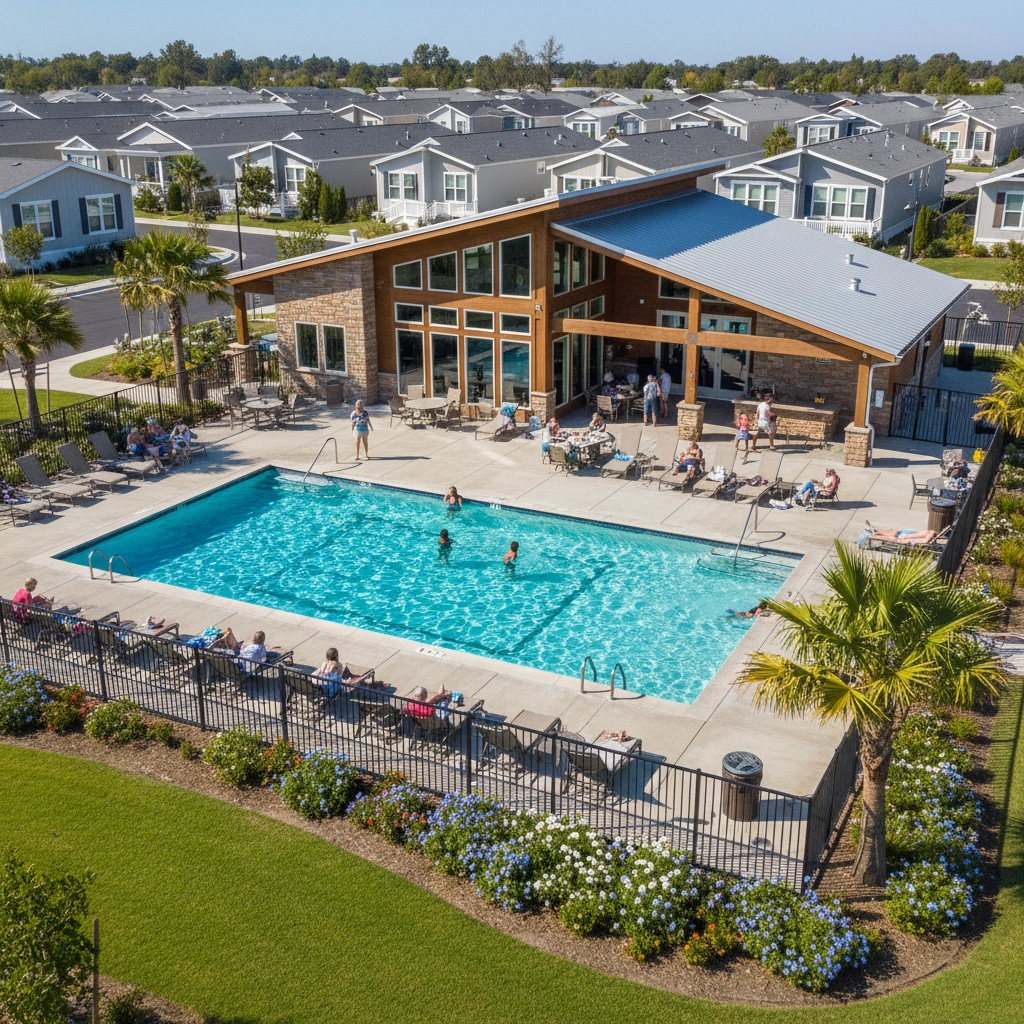
Community Amenities: Many manufactured home communities offer amenities like pools, clubhouses, fitness centers, and social activities that would be unaffordable in traditional neighborhoods.
Lower Maintenance Responsibility: New manufactured homes come with warranties and require less immediate maintenance than older site-built homes, perfect for busy essential workers.
The Financial Reality Check
Let's run some real numbers. If you're currently spending $1,500-$2,000 per month on rent (common for Dallas area essential workers), that's $18,000-$24,000 annually with zero equity building. With a $121,900 manufactured home purchase:
- Down payment (5-10%): $6,095-$12,190
- Monthly mortgage payment (30-year, 7% interest): Approximately $810-$950
- Property taxes and insurance: $200-$300 monthly
- Community fees: $200-$400 monthly
Total monthly housing costs often land between $1,210-$1,650 – potentially less than your current rent, while building equity every single month.

Financing Options That Work for Essential Workers
One of the biggest misconceptions about manufactured homes is that financing is difficult. In reality, several financing options cater specifically to essential workers and first-time buyers:
FHA Loans: Many manufactured homes qualify for FHA financing with down payments as low as 3.5%. Perfect for essential workers who haven't had the opportunity to save large down payments.
VA Loans: Veterans working in essential services can often use VA benefits for manufactured home purchases with zero down payment.
USDA Rural Development: For communities in qualifying areas, USDA loans offer attractive terms for moderate-income essential workers.
Conventional Financing: Banks increasingly offer competitive rates for manufactured homes titled as real estate rather than personal property.
Community Living Benefits
Beyond the financial advantages, manufactured home communities offer something that many traditional neighborhoods lack: genuine community connection. At places like Post Oak Manufactured Home Community, residents often find:
- Organized social activities and events
- Shared amenities that reduce individual expenses
- Neighbors who understand the essential worker lifestyle
- Property management that handles exterior maintenance
- Security features that provide peace of mind for shift workers
Breaking Common Misconceptions
Let's address the elephant in the room. Many essential workers hesitate about manufactured homes due to outdated perceptions. Modern manufactured homes are built to HUD standards that often exceed local building codes. They feature:
- Energy-efficient construction that reduces utility bills
- Contemporary designs indistinguishable from site-built homes
- High-quality materials and appliances
- Customization options for personal preferences
For those interested in understanding more about modern manufactured housing, resources like our comprehensive guide to manufactured housing basics can help separate fact from fiction.
Making the Transition
For essential workers ready to break free from the rent trap, the process is more straightforward than you might expect:
- Assess Your Budget: Calculate your current housing costs and compare them to manufactured home ownership expenses
- Get Pre-approved: Understanding your financing options early streamlines the buying process
- Visit Communities: Experience the lifestyle firsthand by touring communities like Post Oak
- Consider Total Cost: Factor in delivery, setup, and any desired customizations
- Plan Your Timeline: Most manufactured homes can be delivered and set up within 60-90 days

The Long-term Wealth Building Opportunity
Perhaps the most compelling argument for manufactured home ownership is the long-term wealth building potential. While you're currently sending 43% of your income to a landlord's equity, manufactured home ownership allows you to:
- Build equity with every payment
- Benefit from property appreciation
- Create a stable foundation for retirement planning
- Potentially upgrade to larger manufactured homes as income grows
- Pass on real property to children rather than rental receipts
For essential workers who've felt locked out of the traditional housing market, manufactured homes represent more than just affordable housing – they're a pathway to financial stability and generational wealth building.
Your Next Steps
If you're tired of watching nearly half your paycheck disappear into rent payments with nothing to show for it, it's time to explore manufactured home ownership seriously. The combination of affordable pricing, community amenities, and genuine homeownership benefits makes this an opportunity worth investigating.
At Post Oak Manufactured Home Community, we understand the unique challenges essential workers face. We've helped teachers, nurses, firefighters, and countless other essential workers transition from renters to homeowners, building equity instead of just paying bills.
Ready to learn more about how manufactured home ownership could work for your specific situation? Visit our website or contact our team to schedule a tour. Your journey from rent-burdened renter to proud homeowner might be closer than you think.